


In a world where many people are looking for alternatives to medications and invasive treatments, red light therapy has started to gain serious attention.
It’s simple, non-invasive, and something you can easily use at home.
I kept hearing about it from different places—friends, wellness blogs, even people at the gym—so I decided to look into it more.
What I found was actually pretty interesting, especially for things like joint pain, recovery, and even skin health.
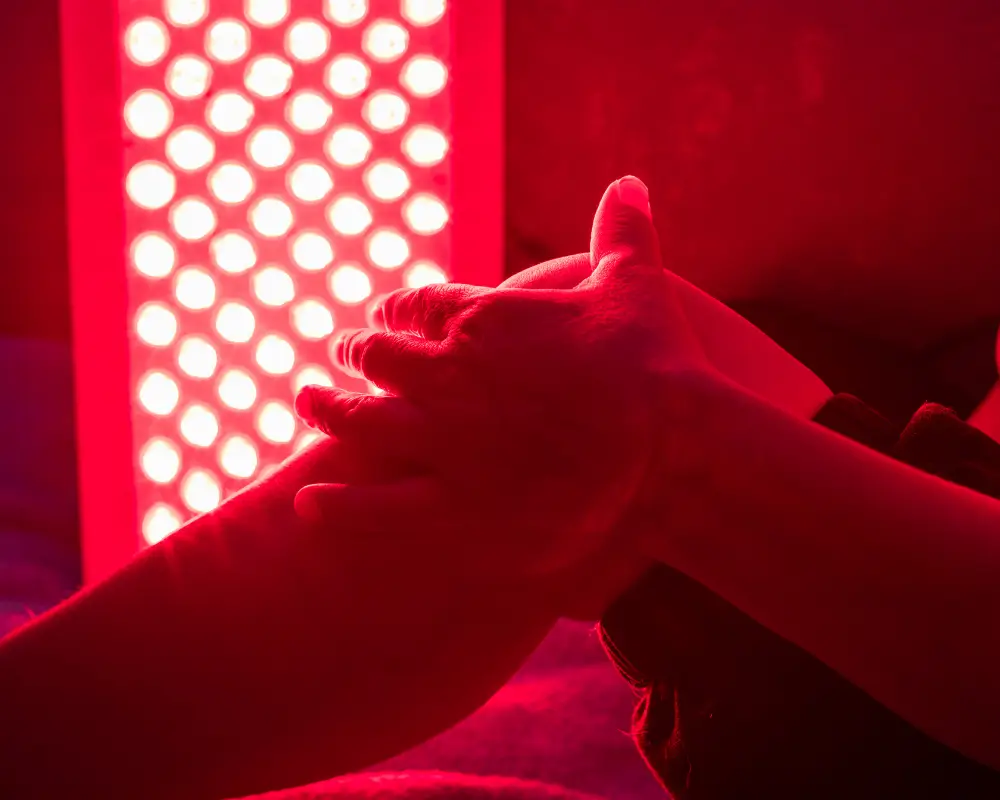
What Is Red Light Therapy?
Red light therapy (also called low-level light therapy or photobiomodulation) uses specific wavelengths of red and near-infrared light to interact with your body at a cellular level.
Unlike UV light, which can damage your skin, red light is considered gentle.
It penetrates below the surface and is commonly used to support things like recovery, inflammation, and general wellness.
How Red Light Therapy Works
At a basic level, red light therapy works by delivering light energy into your cells.
This light is absorbed and may help support how your cells produce energy.
When your cells have more energy available, they can function more efficiently.
That’s why people often use red light therapy to support recovery, reduce discomfort, and improve overall tissue health.
Potential Benefits of Red Light Therapy
While everyone’s experience can be a little different, there are a few reasons people consistently turn to red light therapy.
It’s commonly used to support inflammation, recovery, circulation, and pain management.
What makes it appealing is that it’s non-invasive and easy to add to your routine without a lot of effort.
Reducing Inflammation
Inflammation is one of the main causes of ongoing discomfort, especially in joints and muscles.
Red light therapy is often used as a way to help calm that response naturally.
For people dealing with stiffness or soreness, this can make a noticeable difference over time.
Supporting Recovery and Tissue Repair
Another reason people use red light therapy is to support recovery.
Whether it’s from workouts, injuries, or just general wear and tear, helping your body recover is key.
By supporting cellular activity, red light therapy may help your body repair tissue more efficiently.
Improving Circulation
Healthy circulation plays a big role in how your body feels and heals.
Red light therapy is often used to support blood flow, which helps deliver oxygen and nutrients where they’re needed.
This can be especially helpful for areas that feel tight, sore, or slow to recover.
Helping with Pain Relief
A big reason people try red light therapy is for pain.
Whether it’s from an old injury or something more chronic, having a non-drug option is a big plus.
My husband has actually been using a red light therapy device on his knee for a while now to help with pain from an old ACL injury.
It’s something that still flares up occasionally, and he’s found this to be a simple way to manage it at home.
Red Light Therapy for Arthritis and Neuropathy
For people dealing with arthritis or neuropathy, everyday comfort can be a challenge.
Red light therapy is often explored as a way to support joint comfort and circulation in these cases.
For arthritis, the focus is usually on helping reduce stiffness and improving mobility.
For neuropathy, people are often looking for anything that supports nerve health and circulation.
Everyday Uses Beyond Pain
One thing that surprised me is how many different ways people are using red light therapy.
I personally use a red light face mask as part of my skincare routine, mainly to help with overall skin appearance and texture.
It’s become one of those easy habits I’ve stuck with.
A friend of mine also used red light therapy on his ankle after an injury.
He was originally told surgery might be needed, but after sticking with therapy and rehab, he ended up not needing it at all.
Red Light Therapy for Oral Health
One area I didn’t expect to see red light therapy being used is oral health, but it actually makes a lot of sense when you think about inflammation and healing.
Instead of just focusing on surface-level care, this type of therapy is meant to support the tissue underneath by helping improve circulation and encouraging the body’s natural healing response.
I thought this was especially interesting because so much of oral health comes down to inflammation and bacteria management.
Having something that may support healing at a deeper level is a different approach compared to just brushing and rinsing.
If you’re curious about this side of red light therapy, Heal Ray has some helpful information that goes into more detail on how it’s used for gum health and oral care.
Why More People Are Using It at Home
One of the biggest reasons red light therapy has become so popular is convenience.
You don’t have to book appointments or go anywhere—you can just use it at home.
That makes it much easier to stay consistent, which is important with anything wellness-related.
Helpful Videos and Experts to Learn More
If you’re like me and prefer to actually see things explained, I also found a few YouTube doctors and experts really helpful when learning more about red light therapy.
Sometimes it’s just easier to understand when someone walks through the science and real-life use.
I’ll link a few of the ones I found most helpful below so you can check them out and see what resonates with you.
The INCREDIBLE Benefits of Red Light Therapy by Dr. Nick Zyrowski
Dr. Glen Jeffery: Using Red Light to Improve Your Health & the Harmful Effects of LEDs
Knee Pain Relief: Does Red Light Therapy (Laser Infrared by PRUNGO) Work for Osteoarthritis?
Final Thoughts
Red light therapy isn’t some magic fix, but it’s definitely an interesting option if you’re looking for a more natural way to support recovery, reduce discomfort, or improve overall wellness.
From personal experience and what I’ve seen from others, it’s one of those tools that’s easy to use and worth exploring, especially if you’re trying to take a more proactive approach to your health.
Sources:
https://www.health.harvard.edu/staying-healthy/does-red-light-therapy-work
https://www.ncbi.nlm.nih.gov/pmc/articles/PMC5523874/
https://pmc.ncbi.nlm.nih.gov/articles/PMC2790317/#:~:text=There%20have%20been%20a,et%20al.%202009).